Get Faux Finish Painting
Faux finish painting services help property owners enhance or transform walls to hide imperfections, add texture, or create decorative effects for various interior and exterior projects.
Faux finish painting services offer a versatile way to enhance the appearance and character of interior and exterior surfaces. Property owners in the area may consider this work to add decorative touches, create unique textures, or update existing surfaces with an appealing aesthetic. Whether aiming to replicate the look of natural materials or add subtle visual interest, exploring local contractors who specialize in faux finishes can provide valuable options for planning a renovation or refresh project.
As property owners compare local service providers, understanding the range of available techniques and finishes can help inform decision-making. Many local contractors offer a variety of faux painting options suited to different styles and preferences. Continuing to explore these options can lead to finding the right professionals who can support the planning process and bring creative ideas to life.
- Interior walls - homeowners may seek faux finish painting to add texture or visual interest to living spaces.
- Accent features - property owners might want decorative finishes to highlight specific architectural elements.
- Commercial spaces - businesses may look for faux finishes to create a distinctive and professional environment.
- Feature walls - clients often request textured or patterned finishes to enhance focal points in rooms.
- Ceilings and columns - designers and homeowners may choose faux finishes to add depth and elegance to overhead surfaces.
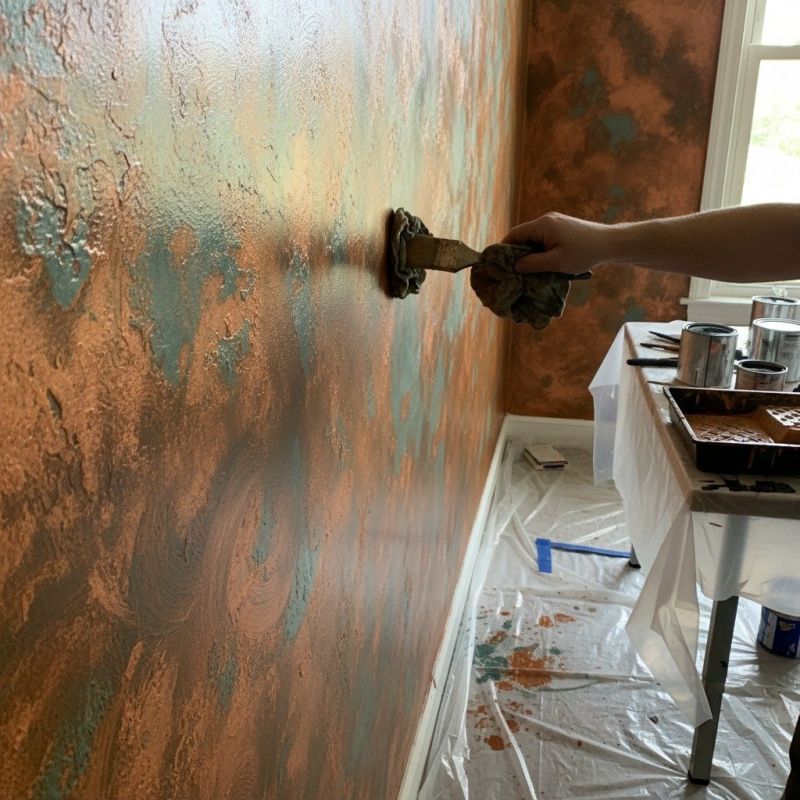
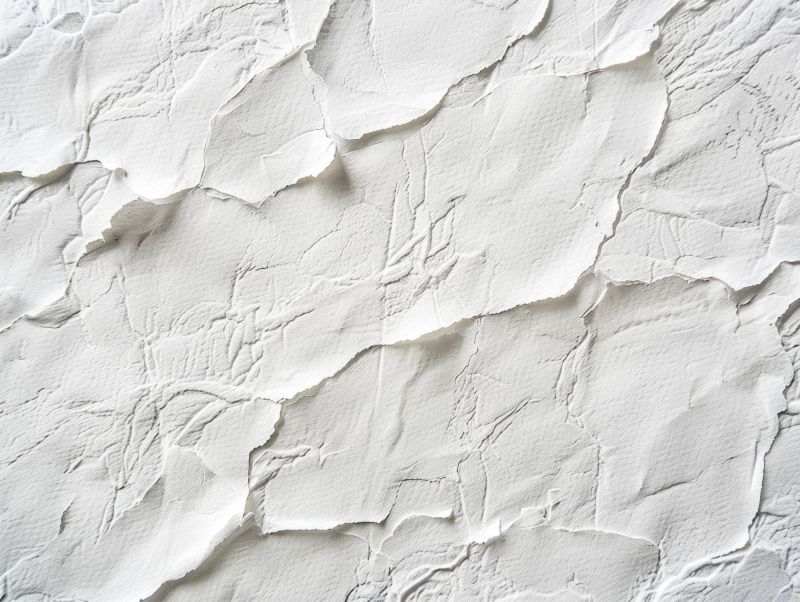
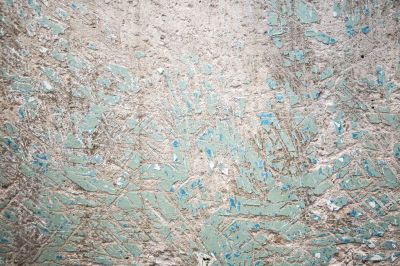
Faux finish painting is a decorative painting technique that adds depth, texture, and visual interest to interior and exterior surfaces. This service involves applying specialized paints and techniques to create effects that mimic natural materials such as stone, marble, wood grain, or aged plaster. Faux finish painting can transform plain walls into striking focal points, giving spaces a sophisticated or rustic look depending on the style chosen. It’s a popular choice for homeowners looking to elevate the aesthetic appeal of a room without the cost or permanence of actual material replacements.
This service is especially useful for addressing common interior design challenges, such as dull or outdated wall finishes that no longer reflect personal style. Faux finishes can conceal imperfections, uneven surfaces, or previous paint flaws, providing a smooth, attractive appearance. Additionally, they can be used to add warmth and character to a space, making it feel more inviting and customized. For exterior surfaces, faux finishes can help disguise surface imperfections or weathered appearances, enhancing curb appeal and protecting the underlying material.
Faux finish painting is often chosen for residential properties, including living rooms, bedrooms, and entryways, where homeowners want to create a unique or elegant atmosphere. It is also popular in commercial settings like restaurants, retail stores, and offices that aim for a distinctive look to attract customers or impress clients. Properties with historic or vintage architecture may benefit from faux finishes that replicate traditional materials, helping preserve the aesthetic while updating the surface's appearance. Service providers experienced in faux finishing can adapt techniques to suit various property styles, ensuring a tailored result.
Homeowners typically consider faux finish painting when updating a space’s look or trying to solve specific problems such as surface imperfections, lack of visual interest, or the desire for a more personalized environment. It can also be a practical solution for covering up previous paint issues or creating a textured background that complements furniture and decor. Local contractors specializing in faux finishes can work with property owners to select the right style and technique, ensuring the finished result enhances the overall design and character of the space.
The overview below groups typical Faux Finish Painting projects into broad ranges so you can see how smaller, mid-sized, and larger jobs often compare in your area.
In many markets, a large share of routine jobs stays in the lower and middle ranges, while only a smaller percentage of projects moves into the highest bands when the work is more complex or site conditions are harder than average.
Small Touch-Ups - Minor faux finish repairs or small areas typically cost between $150 and $400. Many routine jobs fall within this range, though larger or more detailed projects can be higher.
Room-Scale Projects - Painting entire rooms with faux finishes usually ranges from $600 to $2,000. Most projects in this category stay within this band, with fewer reaching above $2,500 for more complex designs.
Whole House Finishes - Applying faux finishes across an entire home can cost between $4,000 and $12,000. Larger, more intricate projects may exceed this range, but many contractors work within the middle tiers for full-house jobs.
Custom or High-End Designs - Elaborate or highly detailed faux finishes can start at $15,000 and go well beyond $30,000. These projects are less common and typically involve extensive craftsmanship and premium materials.
Actual totals will depend on details like access to the work area, the scope of the project, and the materials selected, so use these as general starting points rather than exact figures.
Venetian Plaster - This decorative wall finish involves applying multiple layers of plaster to create a polished, marble-like surface, requiring skills similar to faux finishing techniques.
Textured Wall Coatings - Applying textured paints or coatings to walls involves similar planning, tools, and surface preparation as faux finish projects to achieve unique visual effects.
Murals and Decorative Wall Art - Creating murals requires precise planning and detailed painting skills, aligning with the artistry involved in faux finishing work.
Color Washing and Glazing - Techniques like color washing and glazing involve layering translucent paints, akin to faux finish methods that add depth and richness to surfaces.
Marbling Effects - Applying marbling techniques on walls or furniture shares tools and planning with faux finish painting to mimic natural stone patterns.
Stenciled Wall Designs - Using stencils to create intricate wall patterns involves detailed work and surface preparation similar to faux finishing processes.
When comparing local contractors for faux finish painting, it’s important to consider their experience with similar projects. Look for service providers who have a proven track record of completing decorative painting work comparable to what you envision. This can include reviewing portfolios or asking about their previous projects to gauge their familiarity with various faux techniques and finishes. An experienced professional is more likely to understand the nuances of different styles and materials, helping ensure the finished work aligns with your expectations.
Clear, written expectations are essential to a successful project. When engaging with potential service providers, ask for detailed descriptions of the scope of work, the materials they plan to use, and the steps involved in the process. Having these details documented helps prevent misunderstandings and provides a reference point throughout the project. A reputable contractor will be transparent about their approach and willing to address any questions or concerns you have about the process, ensuring everyone is on the same page before work begins.
Good communication and reputable references are key indicators of a reliable service provider. Seek out local pros who are responsive and willing to answer your questions thoroughly. Request references or examples of previous work to verify their reputation within the community. Connecting with past clients can provide insight into their professionalism, quality of work, and ability to meet deadlines. Remember, the goal is to find a contractor who maintains open lines of communication and has a history of satisfied customers, helping to ensure a smooth and positive experience with your faux finish painting project.
Property owners use Faux Finish Painting services for practical projects around their homes and businesses. This guide focuses on everyday jobs and straightforward project options.
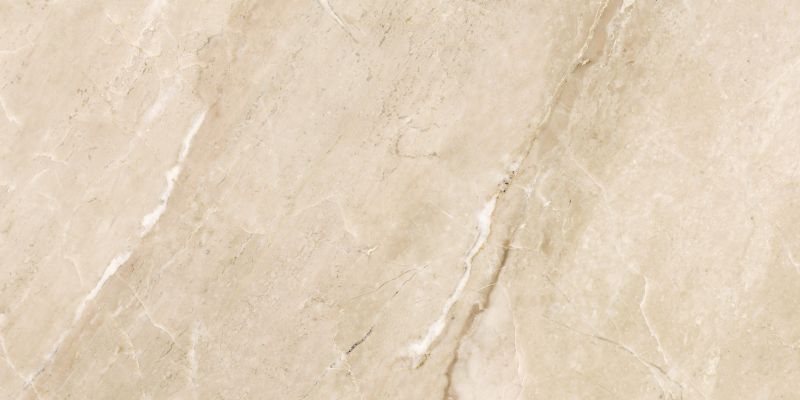
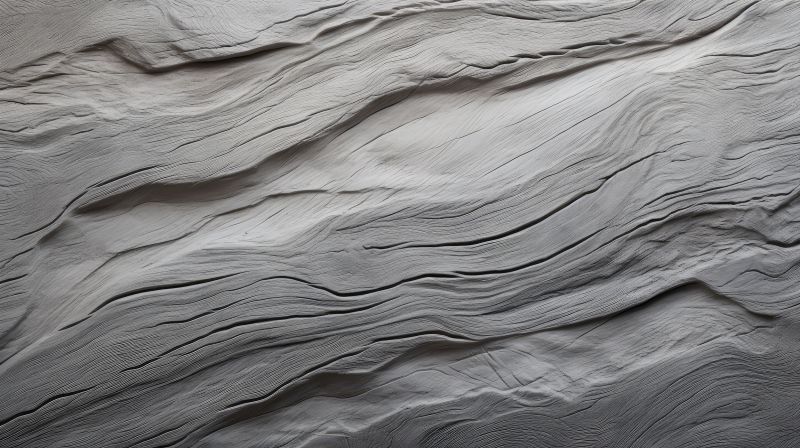
Faux finish painting services are often sought after by property owners looking to add a unique touch or enhance the visual appeal of interior spaces. Whether updating a living room, bedroom, or accent wall, local contractors can provide decorative finishes that mimic textures like marble, stone, or plaster, giving rooms a distinctive look without the need for extensive renovations. Homeowners may also consider faux finishes to cover imperfections, refresh outdated decor, or create a customized atmosphere that reflects their personal style.
In addition to aesthetic improvements, property owners might turn to local service providers for faux finishing when preparing a space for sale or rental. A well-executed decorative finish can increase curb appeal or make interior spaces more inviting, helping to attract potential buyers or tenants. Whether for a single feature wall or an entire room, local contractors offer the expertise to achieve the desired effect efficiently and professionally, making it easier for property owners to enhance their spaces with minimal disruption.
What is faux finish painting? Faux finish painting is a decorative technique that creates the appearance of textures, patterns, or materials such as marble, wood, or stone on interior or exterior surfaces.
Which rooms are suitable for faux finish painting? Faux finishes can enhance a variety of spaces, including living rooms, bedrooms, kitchens, and accent walls, adding depth and visual interest.
What types of faux finishes are commonly available? Popular options include rag rolling, sponging, color washing, and faux marble or wood grain effects, each offering a unique decorative look.
How do local contractors prepare surfaces for faux finish painting? They typically clean, sand, and prime surfaces to ensure proper adhesion and a smooth base for the decorative techniques.
Can faux finish painting be applied over existing paint? Yes, in many cases, faux finishes can be applied over existing paint, provided the surface is clean and in good condition.
Enhancing Interior Spaces - Faux finish painting can add texture and depth to living rooms, bedrooms, or hallways for a more personalized look.
Creating Unique Accents - Property owners can use faux finishes to highlight feature walls or architectural details with a stylish touch.
Renovating Commercial Areas - Local contractors can help refresh office or retail environments by applying decorative finishes that impress clients and customers.
Adding Character to Exterior Surfaces - Faux finishes may be used on exterior walls to provide a weathered or textured appearance that complements the property's style.
If you are thinking about Faux Finish Painting for a property, this guide is meant to help you understand the work, the typical project types, and how different options might fit your plans.
When you are ready, you can use the quote form on this page to share a few details about your project. From there, local pros can review the basics and respond with options that match what you have in mind.